Bridging the Gap: Exploring Forensic Evidence Self-Collection for Survivors of Sexualized Violence in Rural Communities
In many communities across Canada—particularly rural, remote, or underserved areas—survivors of sexual violence face significant barriers to accessing forensic examinations. These barriers may include geographic isolation, limited availability of Sexual Assault Nurse Examiners (SANEs) or specially trained medical professionals, long wait times, or personal and systemic mistrust of medical and legal institutions. As a result, many survivors are left without timely access to evidence collection services.
These delays can have serious consequences. Evidence such as DNA only remains on the body for a limited period of time, and everyday actions—like using the washroom, eating, drinking, or bathing—can quickly degrade or eliminate it. The sooner a sample is collected, the higher the likelihood of obtaining usable evidence.
To address similar gaps, several countries have explored supported self-collection as a way for survivors to preserve time-sensitive forensic evidence when full exams are unavailable. Models in Australia and the United Kingdom — where supported self-collection is often referred to as early evidence kits — allow survivors to collect swabs or clothing samples in supported settings, without replacing the option of a comprehensive forensic exam. These international examples highlight supported self-collection as a supplementary pathway, one that prevents the loss of crucial DNA evidence, and prioritizes survivor autonomy and safety.
What Is Supported Self-Collection?
Supported Self-collection refers to an approach to collecting forensic samples that allows survivors to collect their own samples post-assault, using swabs, urine collection containers, and/or wipes, with the guidance and support of a trained staff member.
- Supported Self-collection is intended to supplement, not replace, hospital-based forensic exams.
- In some protocols, the professional overseeing the self-collection is not required to be a medical professional.
- The process is intended to support agency and choice, while increasing the likelihood that evidence is preserved.
In situations where a full forensic exam is not available, the goal of supported self-collection is to offer an accessible way to preserve that time-sensitive evidence, rather than allowing it to be lost entirely. When this evidence isn’t collected in time, opportunities to support survivors’ choices—whether for medical follow-up, legal action, or future options—can disappear with it.
The Canadian Context
Survivors of sexual violence in Canada continue to face major barriers when trying to access timely, safe services. Research led by McGill University found that many survivors are left without trauma-informed care or evidence collection options, especially in rural and remote regions, leaving justice and healing out of reach. Read the article here.
These gaps were also documented in an independent systemic review by Dr. Kim Stanton, who was tasked with examining how the BC legal system responds to sexual and intimate partner violence. In her final report, she confirmed that conventional service models are failing survivors and recommended exploring alternatives like self-collection to expand options for care and justice. You can read the report here.
Similarly, a federal systemic investigation led by the Office of the Federal Ombudsperson for Victims of Crime (OFOVC) raised serious concerns about inequitable access to services for survivors of sexual violence. The OFOVC’s findings highlighted systemic failures in how survivors are supported within existing justice and service pathways, including gaps in timely access to trauma-informed care and evidence collection. The investigation underscored the need to examine flexible, community-based approaches when hospital-based services are unavailable. Together, these findings reinforce the importance of evaluating supported self-collection as part of a broader effort to address structural service inequities across Canada.
National Calls for Justice have reinforced this urgency. The Final Report of the National Inquiry into Missing and Murdered Indigenous Women and Girls, Reclaiming Power and Place, documents how systemic violence, colonialism, and service inequities contribute to heightened vulnerability for Indigenous women, girls, and 2SLGBTQIA+ people. The Inquiry’s 231 Calls for Justice emphasize the need for accessible, culturally safe, and community-based responses to violence, particularly in rural and northern communities where formal services are limited or non-existent. Expanding forensic access pathways, including exploring supported self-collection, aligns directly with these Calls for Justice by increasing survivor choice, reducing geographic inequities, and supporting community-defined approaches to care. She Matters’ national research, Does Geography Impact Access to Justice: Access to Forensic Evidence Collection in Rural and Remote Communities, further illuminated these inequities. Through the voices of survivors and rights holders across Northern Ontario, Northern British Columbia, and the Yukon, the research revealed how geography, systemic racism, and resource shortages intersect to restrict survivors’ access to support services and evidence collection.
She Matters’ national research, Does Geography Impact Access to Justice: Access to Forensic Evidence Collection in Rural and Remote Communities, further illuminated these inequities. Through the voices of survivors and rights holders across Northern Ontario, Northern British Columbia, and the Yukon, the research revealed how geography, systemic racism, and resource shortages intersect to restrict survivors’ access to support services and evidence collection. The findings highlight an urgent need for innovative, survivor-led solutions to bridge these critical gaps and ensure equitable access to justice across all regions of Canada. You can read the report here.
Why Is Supported Self-Collection Being Considered?
Supported self-collection is being considered in Canada because current systems leave many survivors without timely access to forensic care:
- Rural, remote, and northern regions often lack SANEs entirely, requiring survivors to travel long distances—or even fly—to access hospital-based services.
- Even in urban centers, coverage is inconsistent. SANEs are concentrated in select hospitals and often unavailable outside regular hours. Survivors presenting at night, on weekends, or on holidays may face long waits, during which evidence degrades.
- These barriers mean that many survivors never have the opportunity to collect evidence, not because they are unwilling, but because the system is inaccessible.
Self-collection is being considered as a way to close this gap. While it cannot replace medical or psychosocial care, it may offer an immediate, trauma-informed supplement that reduces inequities, enhances safety, and ensures survivors are not left without options.
Our Research Approach and Community Engagement
How This Research Began
She Matters' research into supported self-collection emerged from our broader work examining barriers to accessing healthcare, forensic evidence collection, and justice following sexual violence in Canada.
Through our research and engagement with survivors, healthcare professionals, and community organizations, we identified significant gaps in access to sexual assault evidence kits (SAEKs) and trained forensic healthcare providers, particularly in rural, remote, northern, and underserved communities.
These findings prompted us to explore potential community-informed solutions that could expand survivors' options for accessing time-sensitive forensic evidence collection without requiring them to travel significant distances or navigate inaccessible healthcare systems.
Supported self-collection was identified as one potential approach. The concept was also recognized in Dr. Kim Stanton's report as an option worthy of further consideration, informing our decision to examine its feasibility, potential benefits, limitations, and implications within the Canadian context.
This project is grounded in the belief that survivors deserve accessible, empowering, and culturally safe options for preserving forensic evidence, accessing care, and making informed decisions about whether, when, and how to engage with the reporting process.
Our Research Methodology
She Matters is conducting an independent, federally funded research initiative examining the feasibility, utility, risks, and potential implementation considerations of supported self-collection of forensic evidence following sexual violence.
As part of our initial exploration, we consulted Chloe Hunt, a self-collection expert who has independently developed kits and worked to advance this approach. Her expertise helped inform our understanding of existing practices, opportunities, and considerations for supported self-collection. Building on these early consultations, She Matters developed its own research protocol, informed by ongoing engagement with survivors, legal and forensic experts, healthcare professionals, law enforcement, and community-based organizations.
The proposed protocol has since been presented to stakeholders across Canada and continues to be evaluated and refined through consultations, interviews, surveys, and expert feedback.
Our research is guided by several central questions:
- Survivor perspectives: Would survivors want or choose to use supported self-collection? Under what circumstances might it be helpful, inaccessible, or inappropriate?
- Clinical and forensic considerations: Could evidence collected through this approach have forensic utility? What safeguards, training, documentation, and procedures would be necessary?
- Legal considerations: Could evidence obtained through supported self-collection be legally defensible and admissible? What challenges might arise concerning collection, continuity, reliability, and evidentiary weight?
- Service delivery and accessibility: Could this approach address existing gaps in access to forensic evidence collection? What would be required to integrate it responsibly into survivor-serving settings?
- Risks and unintended consequences: Could supported self-collection create new barriers, compromise evidence quality, shift responsibilities onto survivors, or contribute to unequal standards of care?
- Overall feasibility: Is supported self-collection an appropriate option to pursue in Canada? What would need to change, and are there circumstances in which it should not be implemented?
Given the significant gaps in access to forensic evidence collection across Canada, we believe supported self-collection is an important approach to explore, with the potential to expand survivors' choices and improve access to care and justice. At the same time, we recognize that the promise of an innovative approach must be carefully examined alongside its potential risks, limitations, and unintended consequences. Our research therefore seeks to understand whether supported self-collection is feasible, safe, useful, and legally defensible, and under what circumstances it may or may not be appropriate. Through ongoing engagement with survivors and experts across sectors, we are critically examining both the opportunities and challenges associated with this approach, allowing the evidence and diverse perspectives to inform our findings, recommendations, and any future considerations for implementation.
Who We Have Engaged
Our research is informed by perspectives from across Canada, including survivors, community-based organizations, healthcare providers, forensic specialists, legal professionals, and law enforcement representatives.
To date, our engagement has included approximately:
| Stakeholder group | Number engaged |
|---|---|
| Survivors of sexual violence | 35 |
| Legal professionals | 20 |
| Frontline survivor-serving organizations | 15 |
| Forensic nurses and physicians | 10 |
| Forensic scientists | 5 |
| Detectives and law enforcement representatives specializing in sexual assault | 6 |
In addition to our consultations, we have invited individuals across the sector to share their perspectives through an anonymous survey, providing an alternative opportunity to contribute for those who may be unable to participate in a more in-depth consultation.
Survey respondents have identified their affiliations as follows:
| Respondent affiliation | Approximate percentage |
|---|---|
| Community organizations | 36% |
| Forensic nurses and physicians | 30% |
| Survivor-serving organizations | 21% |
| First Nations, Inuit, and Métis leadership | 3% |
| Forensic experts | 3% |
| Legal professionals | 3% |
| Law enforcement | 3% |
Figures reflect engagement to date and are approximate. Survey percentages are rounded.
These consultations are helping us identify areas of agreement, disagreement, uncertainty, and concern. We recognize that perspectives on supported self-collection vary, and we consider critical feedback essential to conducting rigorous, responsible research.
Meet The Research Team
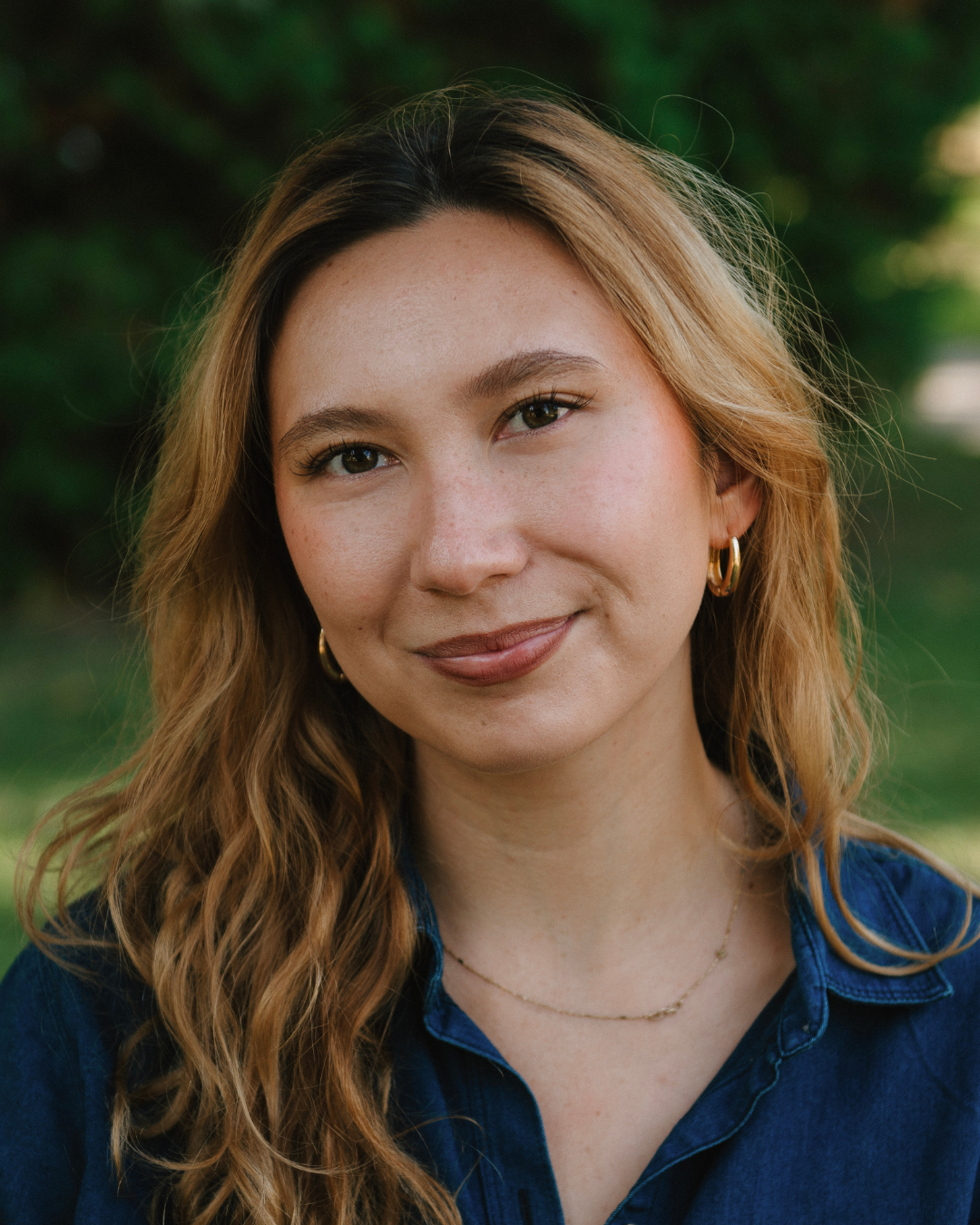
Victoria Donkin (she/her)
Health Equity Researcher & Systems Change Collaborator
Victoria, a settler from South Korea situated in Tkaronto, holds a Master of Social Work with a specialization in Indigenous Trauma and Resiliency. Her research asks: How do we build trauma-informed, culturally grounded systems that genuinely support people carrying trauma while addressing the deeper conditions and cycles that reproduce harm across generations? She is deeply committed to addressing the enduring impacts of historical and intergenerational trauma. Her work bridges research, advocacy, and practice through participatory and community-based approaches, examining how policies and systems shape experiences of trauma and violence.
She brings a breadth of research experience that spans multiple intersecting areas of health and social justice. This includes applying a social determinants of health perspective to better understand the impact of homicide within Black communities; examining how community-driven, trauma-informed strategies can reduce gun violence in Canada and contributing to national suicide prevention efforts through the development and evaluation of 9-8-8, Canada’s crisis line.
In this work, she focuses not only on the individual impacts of trauma, but on strengthening the systems meant to respond to it; generating research and advancing policy recommendations that make services more trauma-informed, culturally grounded, and structurally responsive to the conditions that reproduce harm. She remains dedicated to co-creating knowledge with communities and advancing culturally responsive solutions that reimagine survivor-centred care and justice pathways across Turtle Island, while working to transform the policies, practices, and institutional structures that shape how care is accessed, delivered, and experienced.
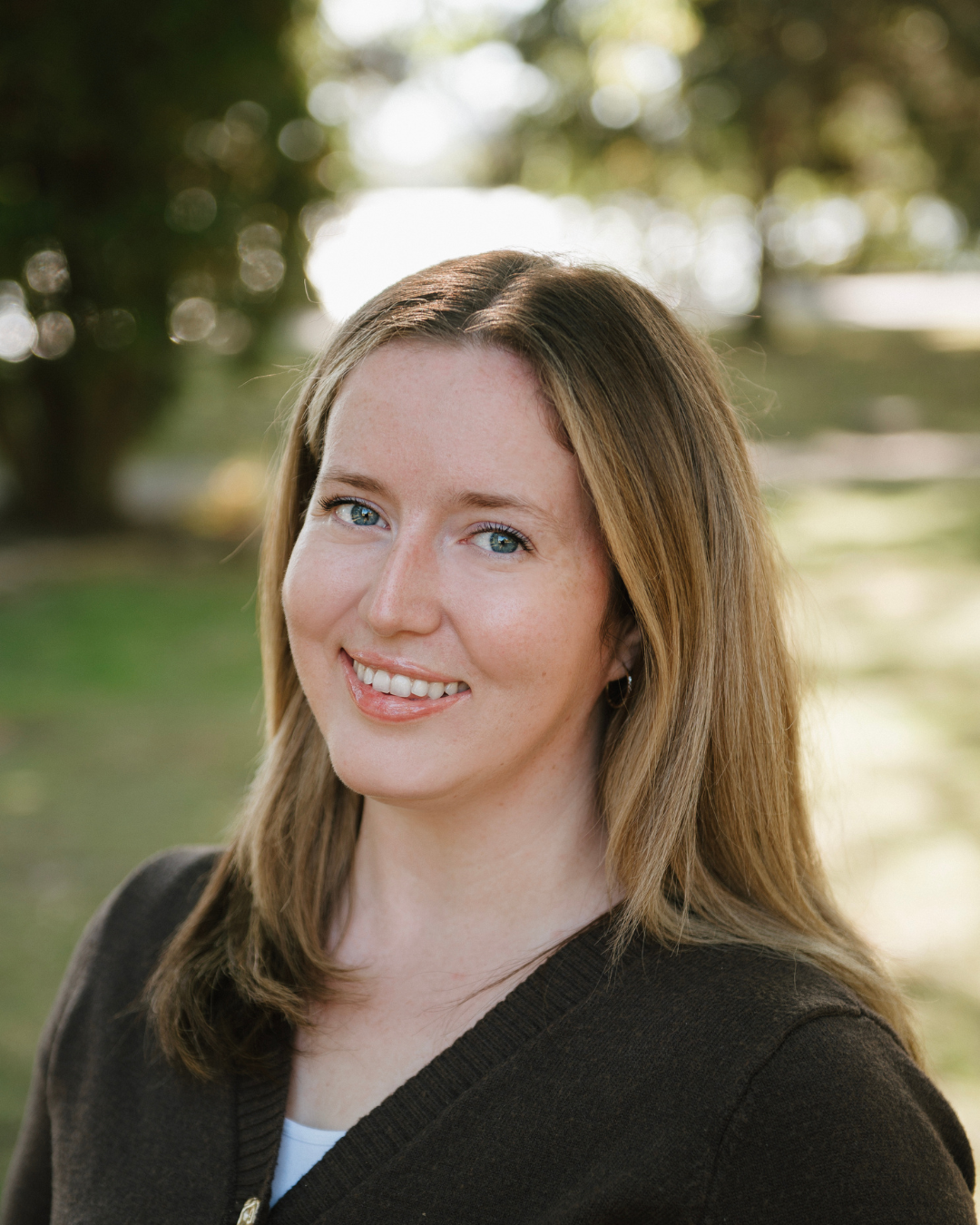
Jacqueline Villeneuve-Ahmed (she/her)
Project Steward & Research Coordinator
Jacqueline Villeneuve-Ahmed is a survivor advocate, mother of three, and founder of She Matters. A grateful settler from Atikimeksheng Anishnawbek Territory, she now lives with her husband and children on the traditional lands of the Erie, Neutral, Huron-Wendat, Haudenosaunee, and Mississaugas Peoples.
After surviving sexual assault and domestic violence in her early 20s, Jacqueline transformed her pain into purpose. For over a decade, she has worked alongside survivors of childhood and adult sexual violence, advocating for trauma-informed care pathways and survivor-led system reform.
Through She Matters, Jacqueline leads community-based initiatives that tackle the systemic barriers to care, with a particular focus on rural, remote, and underserved communities.
At the heart of her work is a belief in the power of survivor-led education, community care, and collective advocacy to reimagine systems that often fail those most in need.
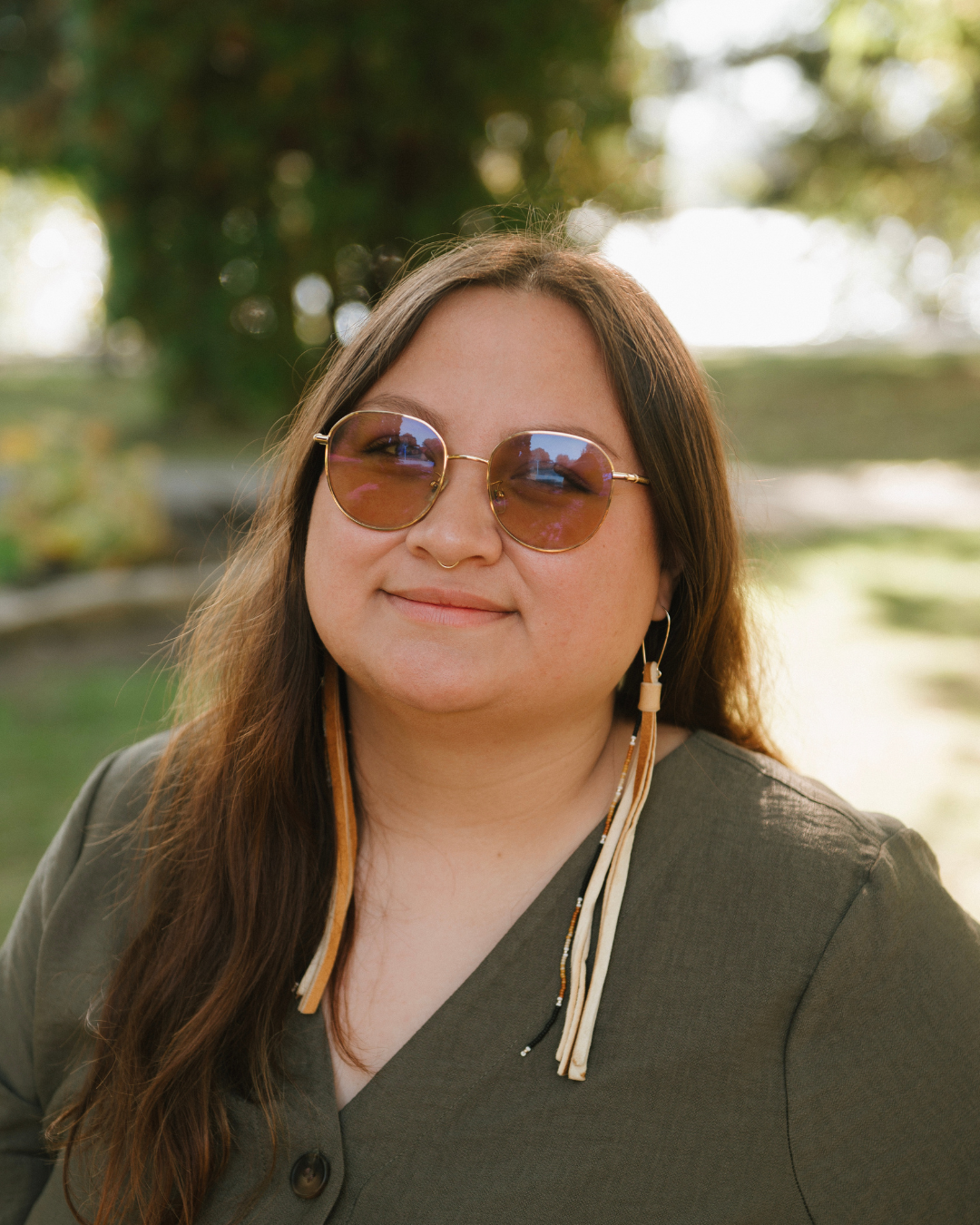
Jayden Ode'imin (she/they)
Graphic Designer
Jayden Ode’imin (she/they) is a mixed Anishinaabe and Southeast Asian single mother, survivor, and passionate advocate. A daughter of a Missing and Murdered Indigenous Girls, Women, and 2-Spirit (MMIGW2S) survivor, Jayden brings both intergenerational and personal lived experience to her work and advocacy.
As a survivor in the child welfare system and continued intergenerational trauma, Jayden advocates for community-driven healing and Anishinaabe rooted approaches to justice.
Jayden began her career in event coordinating, graphic design and copywriting at her local Women’s Centre, and now works as a Graphic Designer in the non-profit sector, supporting community organizations with a focus on healing, justice, and visibility.
An advocate for women and human rights, Jayden devotes countless volunteer hours outside of her 9 to 5 to grassroots movements, survivor-led initiatives, and anti-war efforts, using her voice and design skills to uplift and empower others who may not have a voice.
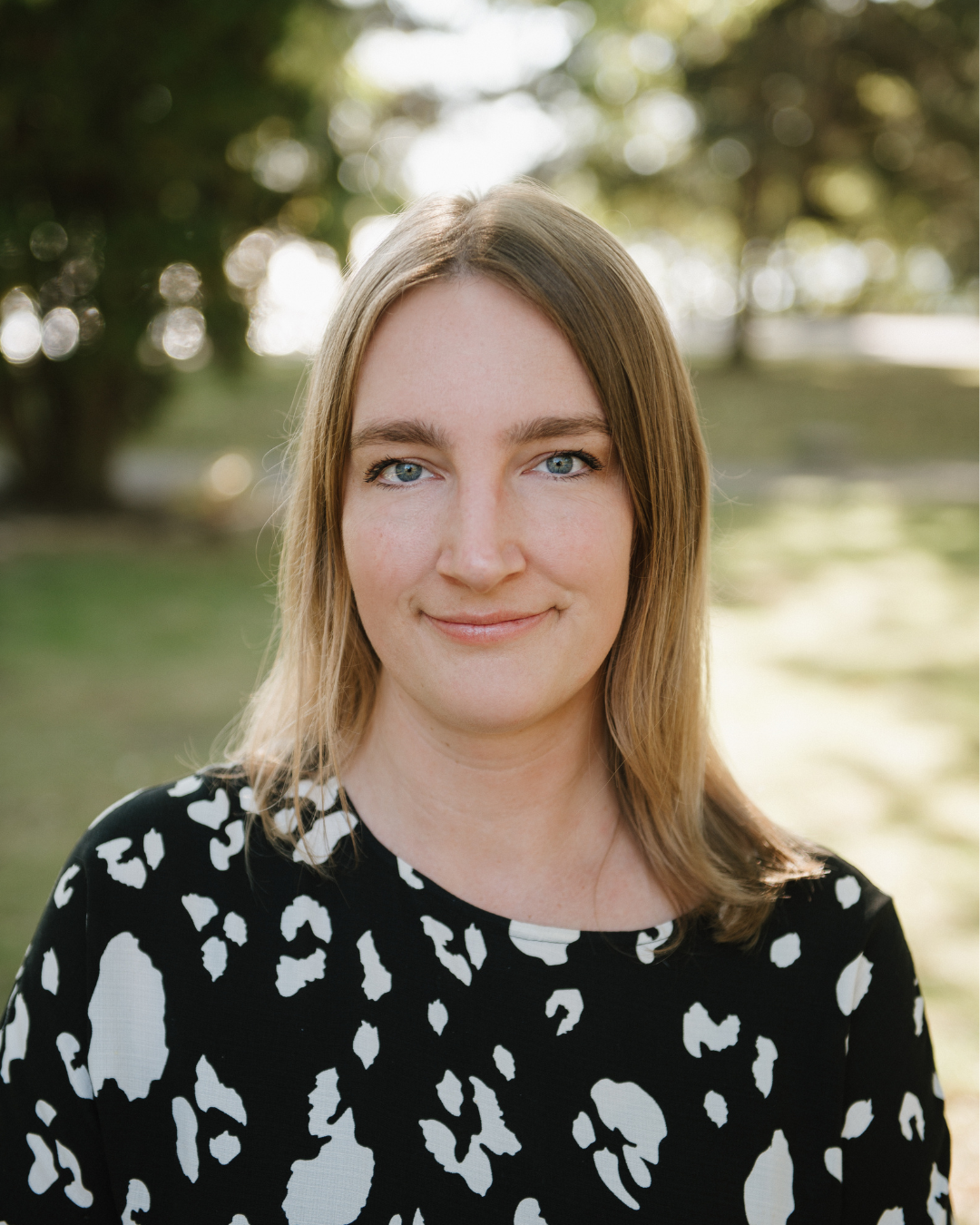
Chloe Hunt (she/her)
Forensic Sample Self-Collection Consultant
Chloe Hunt is the Founder of Fourwords Solutions, a social enterprise dedicated to helping communities develop sustainable, community-led responses to sexualized violence. Since 2018, she has volunteered and worked in the gender-based violence sector, gaining an understanding of the systemic barriers survivors encounter. Before launching Fourwords in January 2024, Chloe spent two years studying the potential of self-collection as a method for preserving evidence after sexual assault. Through her work with Fourwords, she has had the privilege of learning from both international leaders in self-collection initiatives and local communities who continue to face barriers to resources and care following sexualized violence.
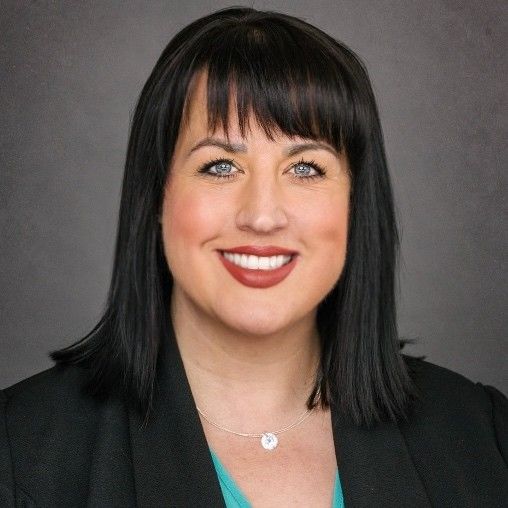
Andrea Macleod (she/her)
Forensics Consultant
Andrea has long been a passionate advocate for public service and victims of crime. She embarked on her law enforcement journey at the tender age of 19, ultimately ascending to the rank of Corporal and forensic specialist with esteemed organizations such as the Royal Canadian Mounted Police and the Ontario Special Investigations Unit. A decorated veteran, Andrea possesses a profound reservoir of knowledge and experience that enriches her community. Now retired from law enforcement, she dedicates herself to the field of education as a Professor of Forensic Science at Humber Polytechnic, where she mentors and inspires the next generation of forensic practitioners, sharing her extensive expertise and fostering a new wave of talent in the discipline.
Supported Self-Collection for Sexual Assault Evidence: Common Misconceptions and Facts
Misconception 1: Supported Self-collection means survivors take a kit home.
Misconception 2: Supported Self-collection would lead to more false reports of sexual assault.
Misconception 3: Evidence collected by survivors will not be admissible in court.
Misconception 4: Survivors will be left on their own without professional support.
Misconception 5: Self-collection replaces hospital-based forensic exams.
Participate in Our Research
We welcome participation from individuals and organizations with a wide range of perspectives on supported self-collection, including those who have questions, concerns, or reservations about the approach.
We are particularly interested in hearing from survivors of sexual violence, healthcare and forensic professionals, legal professionals, law enforcement, Indigenous communities and organizations, and frontline survivor-serving services.
Your perspectives can help us better understand the potential benefits, limitations, risks, and practical considerations associated with supported self-collection.
You can participate by:
- Completing an anonymous survey: https://www.surveymonkey.com/r/TL9GP5B
- Participating in a consultation or interview: Email victoria@shematters.ca or complete the form below to arrange a conversation.
Participation is voluntary, and you do not need to support the concept of supported self-collection to contribute to this research.
Our objective is to ensure that any recommendations emerging from this work are informed by diverse perspectives, grounded in evidence, and centred on survivor safety, choice, and access to justice.
Interested in participating or have a question? Fill out the form below and a member of the She Matters team will reach out.
Funded By